The women, the findings, the doubts
How strong is the research on PT-141?
You'll see what happened to the women first, then where animal tests and small gains leave questions unanswered.
What can you learn before the study details?
For a loss of desire, PT-141 acts on how the brain responds. This page weighs the studies, from women's reports to tests in animals. Within your brain, PT-141 affects cells that govern appetite and sexual desire [1]. Erection pills instead help blood vessels supply the penis [1].
Two Phase 3 trials, large studies before approval, gave the strongest evidence of benefit. Longer tests and scans supported that benefit in women still before menopause, distressed because they wanted sex so little [3][4][5]. Yet reviewers describe the gains as small [3]. I'd want to know whether those gains changed daily life for you.
That everyday benefit is harder to pin down than a better answer on a questionnaire. You can't assume a woman's result will apply to a man. Animal findings leave more doubt still, even when the drug has an effect. You can't decide treatment from an amount used in research.
What natural substance does PT-141 copy?
PT-141 copies a hormone, a substance that lets parts of your body send messages to each other [1]. The natural hormone comes from pieces cut from a larger protein. The medicine is made in a lab, without taking the hormone from people.
The drug acts on cells mainly within the brain and nerves [1]. These cells help govern desire, rather than improving blood flow to your penis. The medicine's full name is bremelanotide [3]. Its seven parts, called amino acids and also found in proteins, form a ring that resists breaking apart better than a straight chain.
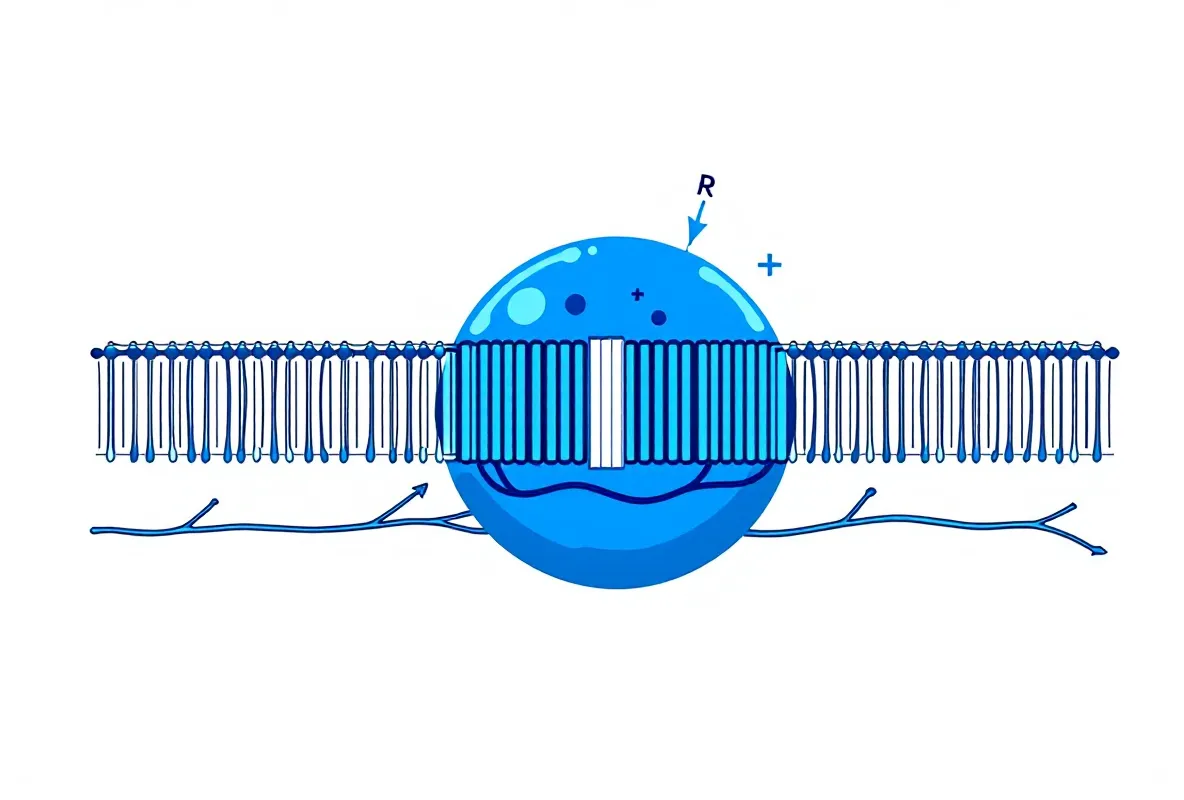
Why is PT-141 called a peptide?
PT-141 is called a peptide because its amino acids are joined; these small parts also make up proteins. A single tiny piece of the drug weighs about 1,025 daltons, the units scientists use for pieces too small to see [1]. That's a lab weight, rather than the amount you get in a shot. The number doesn't measure the help you might feel.
A 2023 review said the 2019 approval supported safety for this kind of drug [11]. Related drugs are studied for obesity and severe weight loss from illness. The ring resists breaking apart better than a straight chain [7]. That fact alone can't tell you when to take a shot.

What did scans show, and what happened in animals?
Women upset by wanting sex so little reported increased desire lasting up to 24 hours in scan tests [5]. Looking at sexual images changed how closely parts of their brains worked together. That's evidence of an effect in women, but doesn't predict your response.
Researchers first saw erections in rats and in relatives of monkeys, as well as men unable to get good erections [1]. Men's responses were stronger with larger amounts, and brain tests supported a brain effect. In female rats, efforts to seek sex increased, while automatic movements during mating and overall activity stayed the same [2]. More seeking didn't mean the rats became more active in general.
Female Syrian hamsters tested in 2025 didn't show more reward from sex [6]. They weren't more drawn to a place where sex had happened. Tests found no change in how many receptors, the parts of cells that receive messages, were made within brain areas linked to pleasure. You can't take a result in hamsters as proof about your own pleasure.
How much help did the Phase 3 trials show?
Two Phase 3 trials enrolled 1,267 women still before menopause and distressed by lost desire [3]. Each tested shot contained 1.75 mg, given when needed just below the skin. Over 24 weeks, desire answers improved by 0.35 points more than with a placebo, a shot without the tested medicine [3]. Question 13 concerned being bothered by their lack of desire; distress fell by 0.33 points more.
Sickness, flushing, and headaches were the commonest harms [3]. In the 52-week follow-up, 684 women took part, knowing their shots contained the medicine [4]. Improved desire continued, and researchers didn't find new safety problems. You still have common harms to weigh against those small gains.
Could a real gain still be too small to matter?
Reviewers argue the women improved too little to show a clear daily benefit [3]. A change in answers can be real without making life feel much better. They also question whether the questions measured what mattered most to women. You deserve to hear that doubt alongside the better results.
There's also disagreement among doctors about judging when low desire is a medical problem [12]. Some writers question whether low desire needs treatment as an illness at all. A journal raised concerns in 2023 about a 2008 study of men's erection trouble [1]. You can't treat that questioned study as firm proof of benefit.